Chemical recovery
Scrap and concentrate are leached and purified. The liquor is crystallised into ammonium paratungstate.
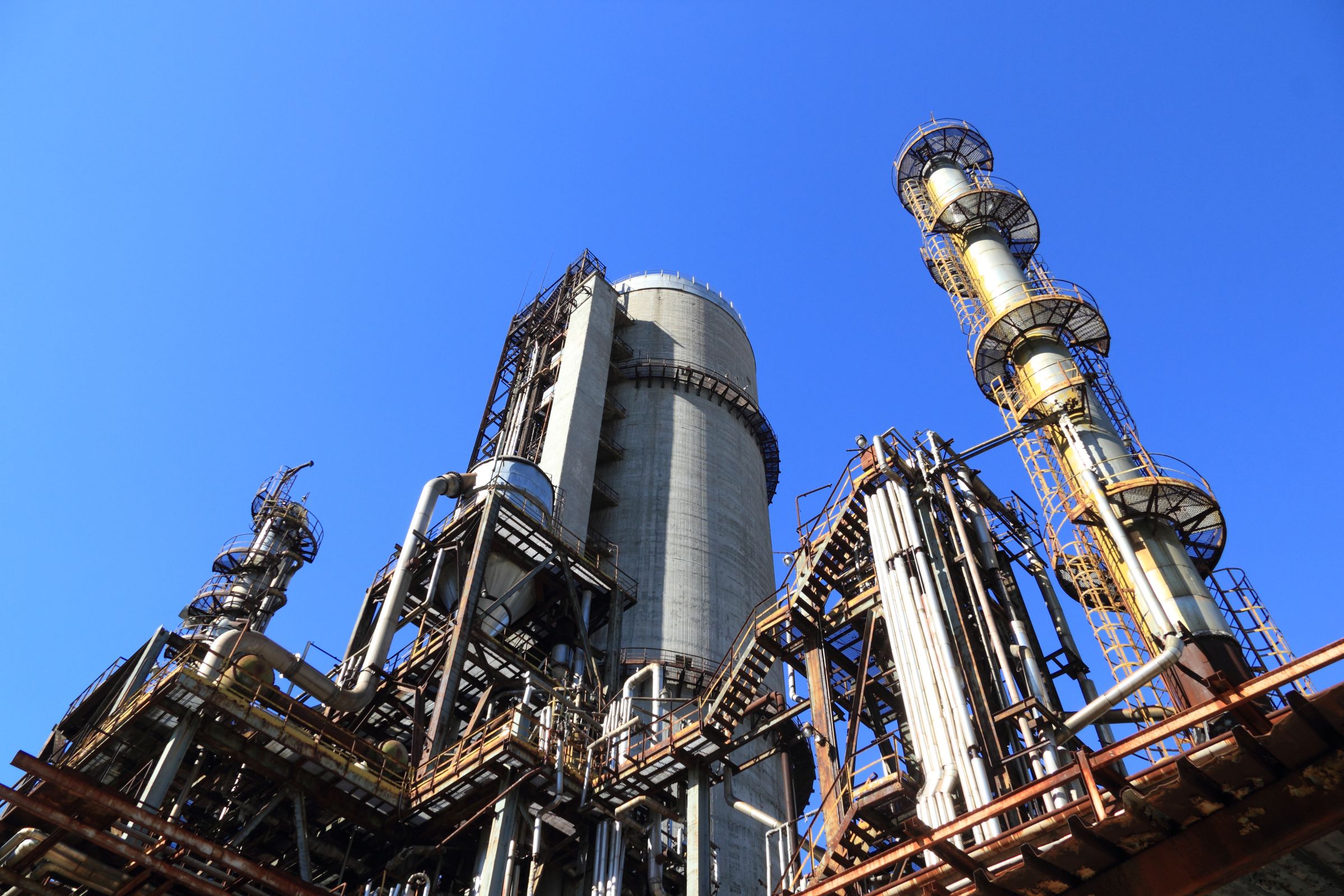
A greenfield recycling plant in the Pax Silica Economic Zone, Tarlac. Hard-metal scrap and mine concentrate become APT, then tungsten powder and carbide. The Philippines has no such plant today.
There is no tungsten processing capacity in the Philippines today. CanPac is designing a greenfield plant to recover tungsten from hard-metal scrap and from mine concentrate. The two front ends meet in one downstream process, so a single plant can take both feeds.
Design capacity is about 4,000 tonnes of feedstock a year, with finished powder and carbide on the order of 2,130 metric tonnes. Illustrative capital is about $127 million, at the top of the stated range for chemical smelting to APT, concentrate co-processing, arsenic stabilisation, powder metallurgy, and civil works.
A later option, about $22 million, would recover molybdenum, tin, and indium. That tranche waits until Canadian concentrate is available. The engineering can be finished earlier so the modules are ready when needed.
Figures are illustrative and subject to engineering, permitting, and commercial confirmation. They are not an offer to sell securities.
Scrap and concentrate are leached and purified. The liquor is crystallised into ammonium paratungstate.
A dedicated line captures airborne arsenic and fixes residues as scorodite, then as a cement-solidified product.
APT is reduced to tungsten metal, then carburised to tungsten carbide for tooling and wear parts.
Carbide is milled with binder and dried into the spherical grades industrial buyers already purchase.
Products
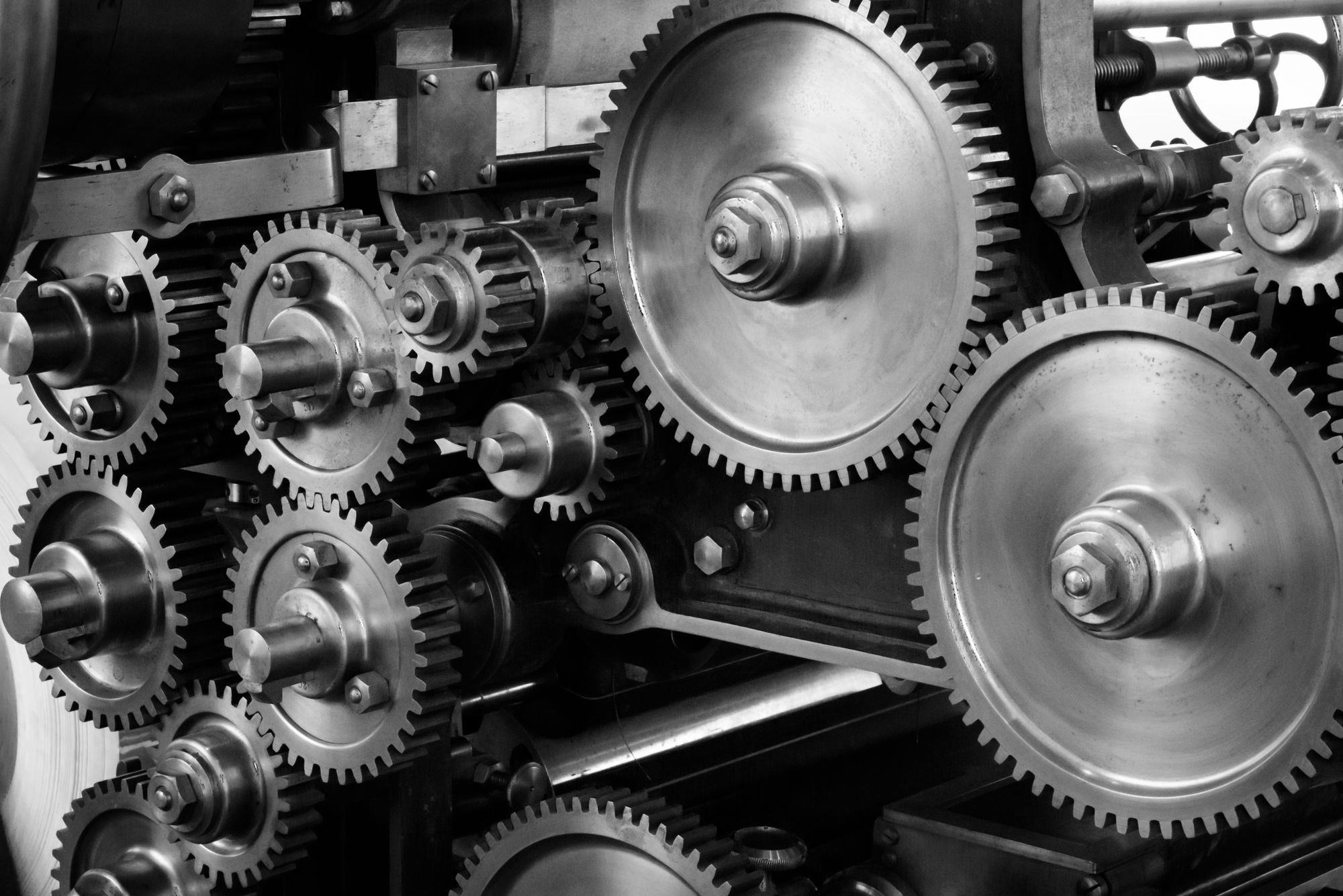
Scrap and concentrate become ammonium paratungstate, tungsten powder, carbide, and ready-to-press grades for industrial tooling and specialty uses.
One downstream path, from recovered tungsten units to press-ready powder.
Build
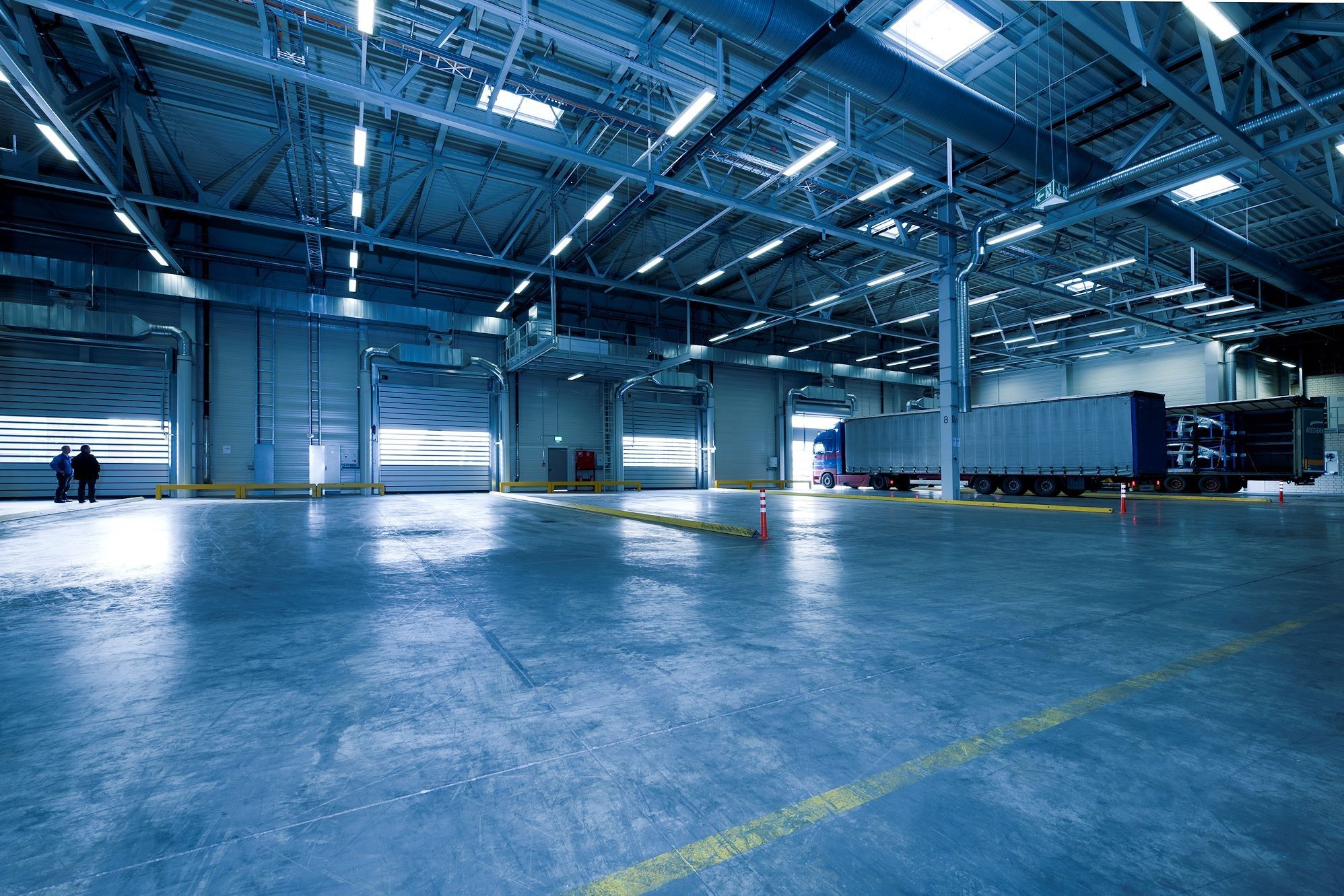
The plant is designed as greenfield powder metallurgy in Pax Silica, built at the same time as the waste facility. Concentrate from Mount Pleasant would be optional feed, and only if a dedicated upstream path opens.