Cash from waste, while processing is still being built.
A hazardous and healthcare waste plant in the Pax Silica Economic Zone, Tarlac, designed to rise alongside the tungsten recycling plant.
Hazardous and healthcare waste, at the higher fees.
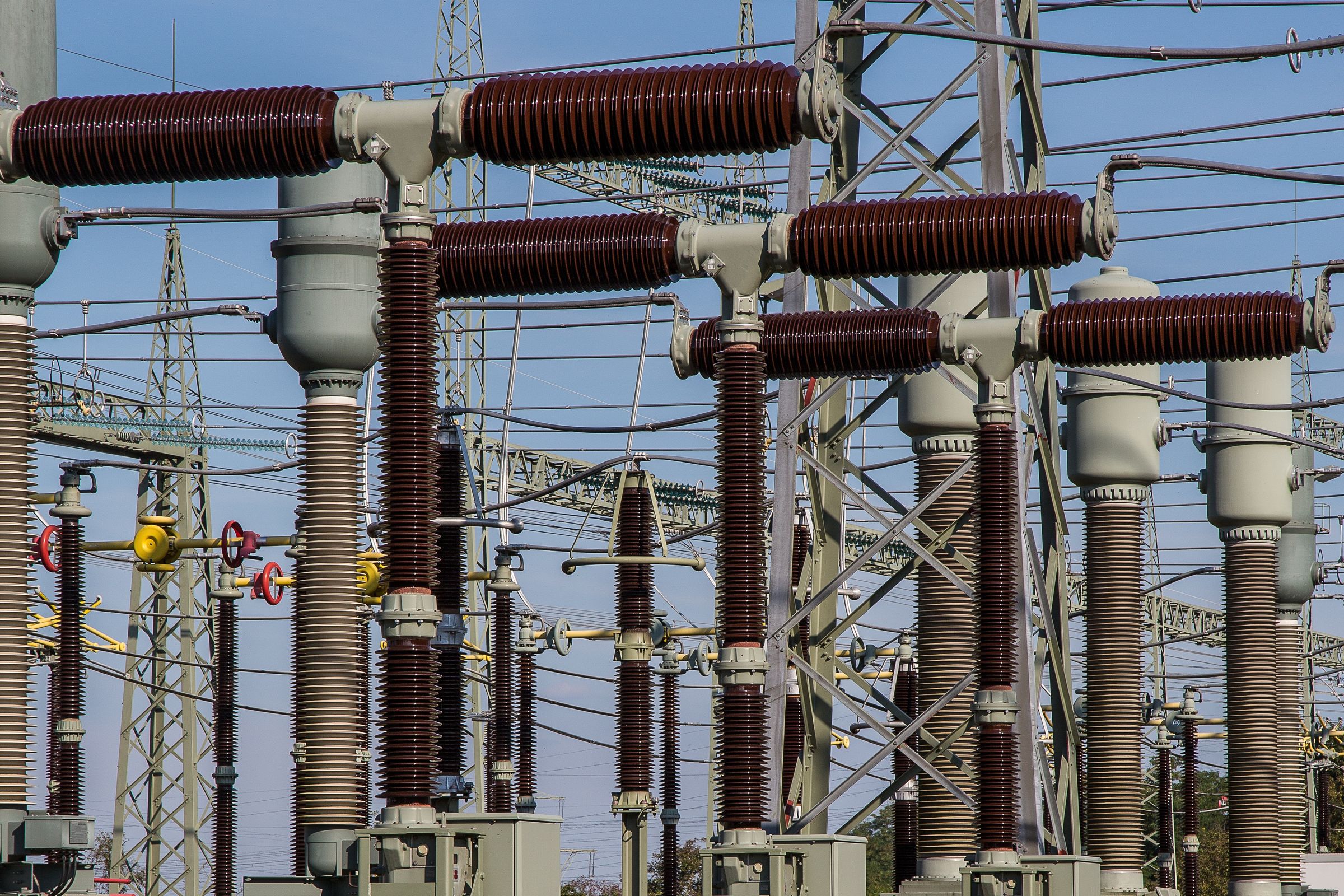
The plant is sized at about 120 tonnes a day and is aimed at hazardous and healthcare waste, the streams that command the highest tipping fees. It would be built and run with an established Philippine waste-treatment operator. The process is already in use at that partner's existing facility.
Thermal treatment is designed to generate about 1.5 MW. If the two plants share a site, surplus power after in-plant use would supply the tungsten line, and steam would heat the arsenic-stabilisation reactors. At full load the facility would run three shifts, around the clock.
Of the three projects, this is the quicker to bring online, with a build of about 12 to 18 months. Illustrative capital is about $18 million. Operating cash flow is targeted within about a year of commissioning. Simple payback is about 2.1 years from the start of operations, subject to diligence.
Figures are illustrative and subject to engineering, permitting, and commercial confirmation. They are not an offer to sell securities.
Site
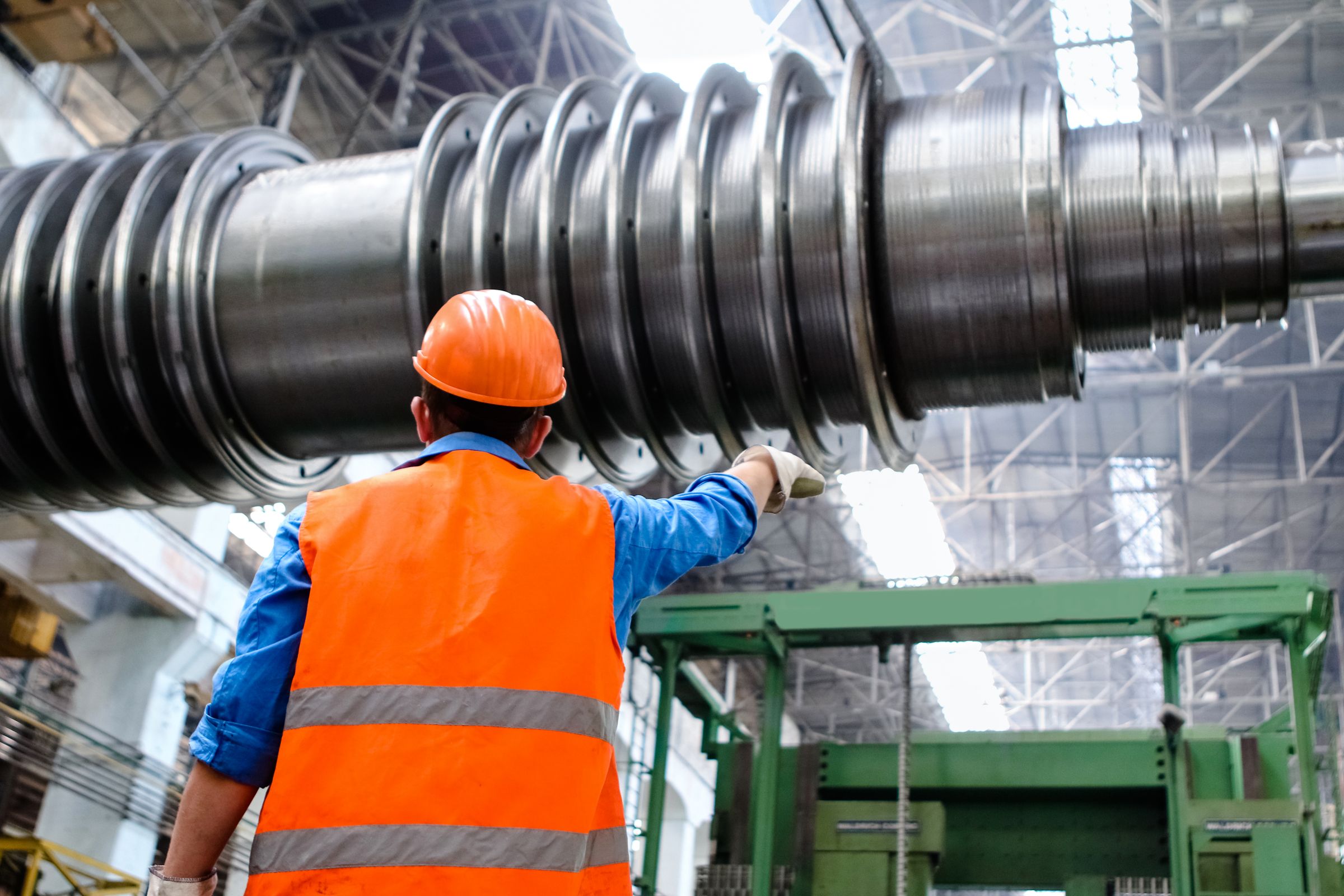
Sharing a site in Pax Silica is still a proposal
Placing both plants together remains under discussion with the operating partner. If it is confirmed, shared civil works, utilities, and permitting would cut capital and lead time.
- Each plant can still be funded on its own
- Shared services only if co-location is confirmed
- Hazardous residues treated on site under that layout
Why waste matters to the larger plant
The two plants are meant to be built together. Waste treatment is the quicker source of cash, and it is meant to carry early costs while the tungsten plant is still going up.
- Cash while processing is builtTipping fees are meant to arrive while the powder plant is still under construction.
- Power and steamIf the plants share a site, surplus power would supply the tungsten line, and steam would heat the scorodite reactors.
- Its own capital pathThis plant does not depend on New Brunswick, or on the processing raise closing first.
- A known processTechnology is already running at the operating partner's existing facility. This is not a greenfield process bet.
Energy
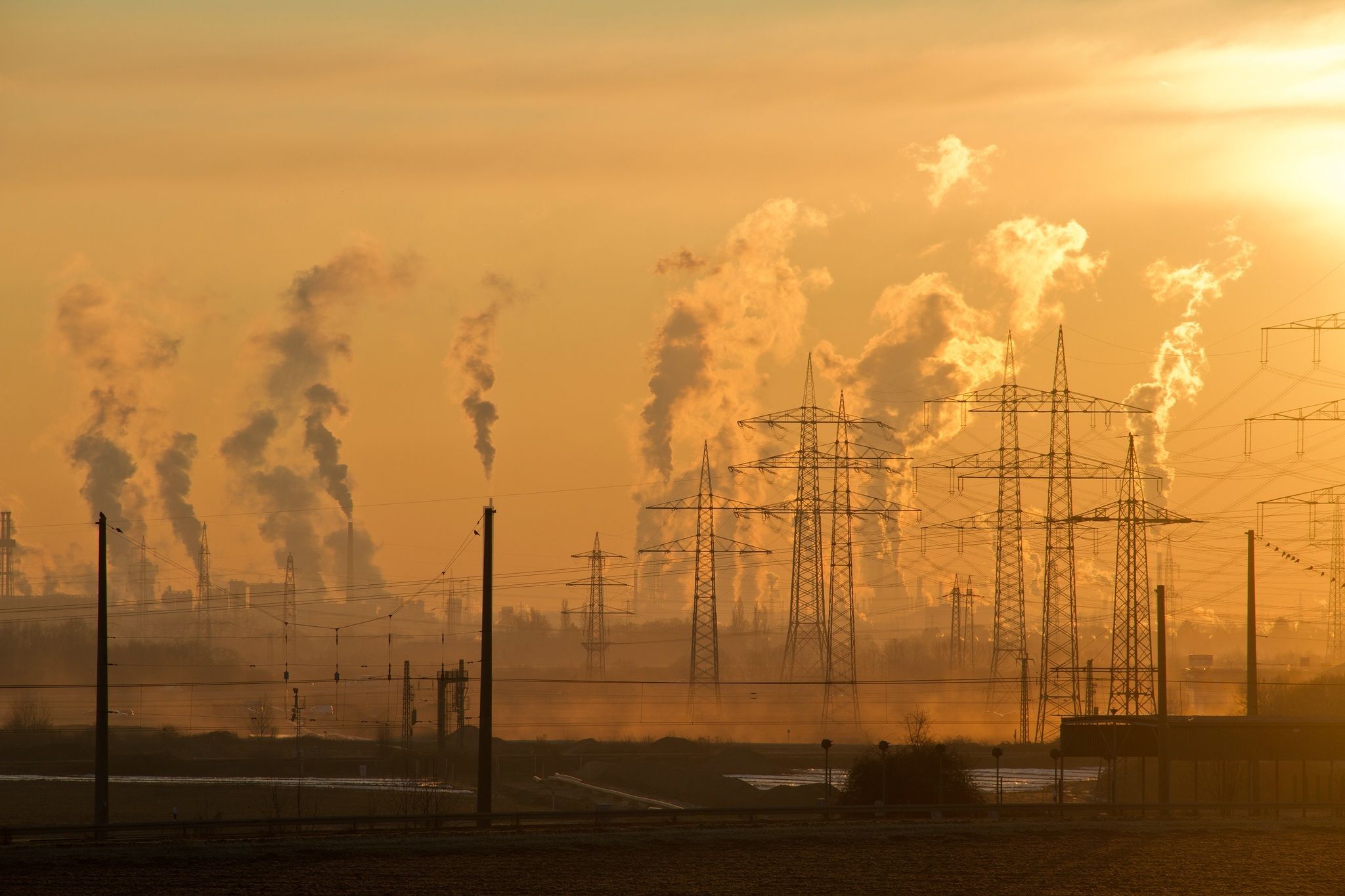
Surplus power and steam for the tungsten line
Thermal treatment is designed to generate about 1.5 MW. If co-location holds, surplus electricity would power the processing plant, and continuous steam would keep arsenic stabilisation at process temperature.
- Three shifts, around the clock, at full operation
- Steam to the scorodite reactor jackets
- Residues from processing treated on the platform if the layout holds
The tungsten plant is built at the same time.
Waste treatment is the quicker source of cash. Processing is the larger plant. Neither waits on Canada.